Can AI Agents Get Answers From Your Website? 43% Did Not
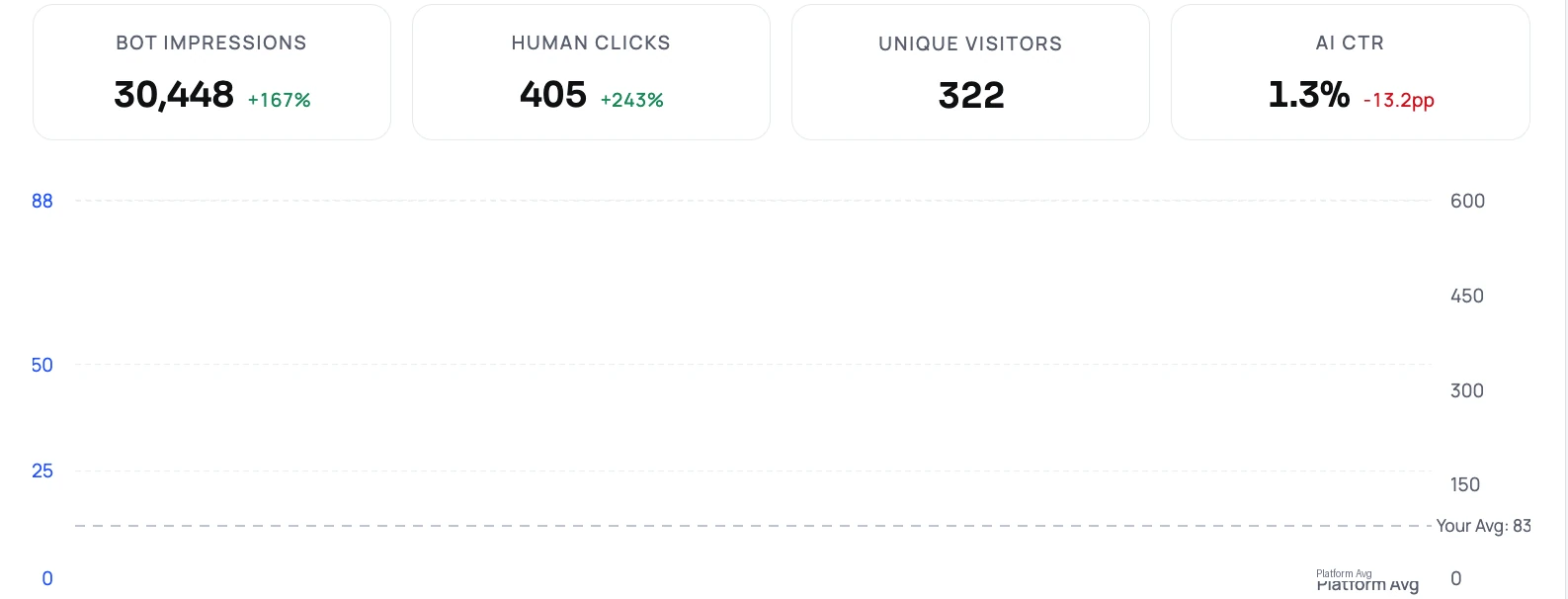
Can AI agents get answers from your website? Often not. In LightSite data from websites using our agent-facing infrastructure, 43% of agent requests returned no recorded result or relevant link. The other 57% returned business information, matching results or a relevant page. Most companies cannot see either number, because they do not know whether agents can reach their site or what they ask.
What did we measure?
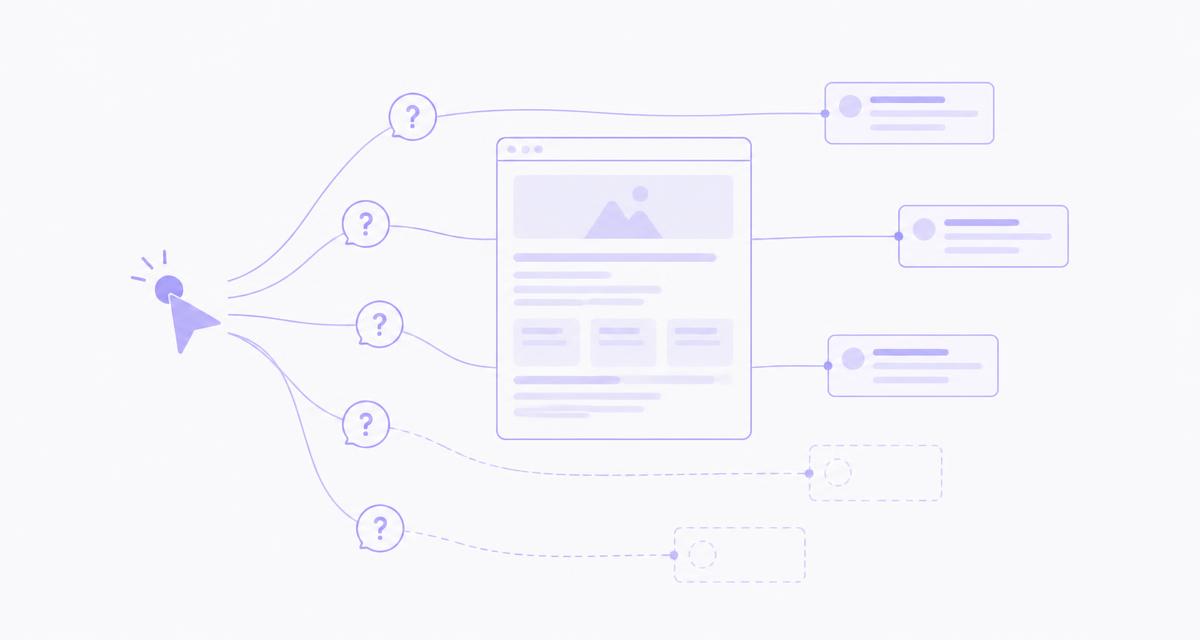
About three to four weeks before publication, we rolled out read-only WebMCP tools across LightSite client websites. That let us record something most analytics never show: the specific questions agents send to a website, and whether the website returns a usable response.
These were not routine crawls. Agents asked things like:
- "Do you have an office in Spokane?"
- "How far in advance can I book?"
- Searches for a specific car part, or clothing that matched detailed requirements.
Each one is a customer question asked on someone's behalf. A usable answer keeps the business in the running. No answer means the agent moves on.
What the 43% does and does not mean
"No recorded result or link" does not prove the information is missing from the site. It means that, from the agent's side, no usable response came back. In some cases the agent was blocked before it could reach anything, for example by a security rule. We describe the outcome without assigning every miss to one cause.
One limit matters: this covers only websites connected to LightSite infrastructure. It is not a sample of the whole web, and we do not claim it is.
Problem one: can agents reach your site?
An agent cannot answer from a page it cannot load. Firewalls, bot protection and robots rules can block AI traffic without anyone on the marketing team noticing. Training crawlers, search crawlers and agents acting for a user behave differently, so a single blanket rule can block the traffic you actually want. Run the free Agent Readiness Checker to see what an agent can reach on your site today.
Problem two: do you know what agents ask?
Most teams measure whether ChatGPT mentions their brand. That is useful, but it says nothing about what happens when an agent tries to use the website itself. To answer "what are agents doing on my site?" you need on-site data: which requests reached you, which questions were asked, and which ones got an answer. That is what AI agent journey tracking shows. If you want the wider context on browser agents such as Muse, Instinct and Dots, read what these agents do on websites.
What to do next
- Check access. Confirm that AI crawlers and agents are not blocked by accident.
- Collect the real questions. Look at what agents actually ask your site, not guesses.
- Fix the unanswered ones. Add the missing facts, such as locations, booking rules or product details, where agents can retrieve them.
- Measure again. Track whether more requests return a usable answer after each change.
LightSite adds a parallel agent access layer on your domain without rebuilding your website, records the requests and outcomes that reach it, and turns unanswered questions into fixes for your team to approve. See what agents ask your site.
Source: LightSite AI reports gaps in website answers to AI agent requests, November 12, 2026.